
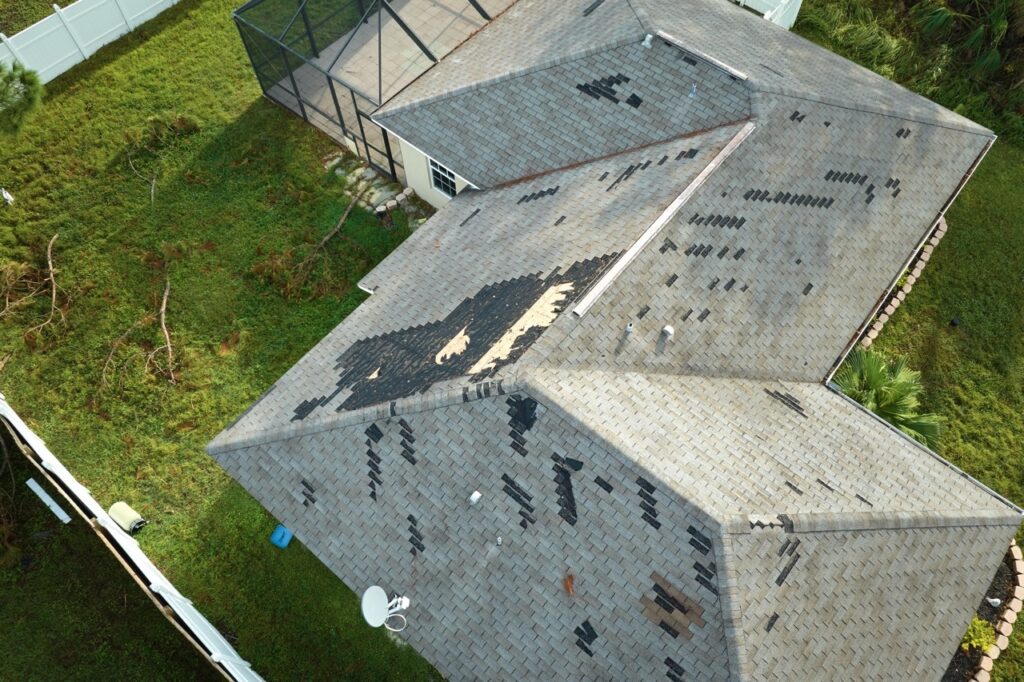
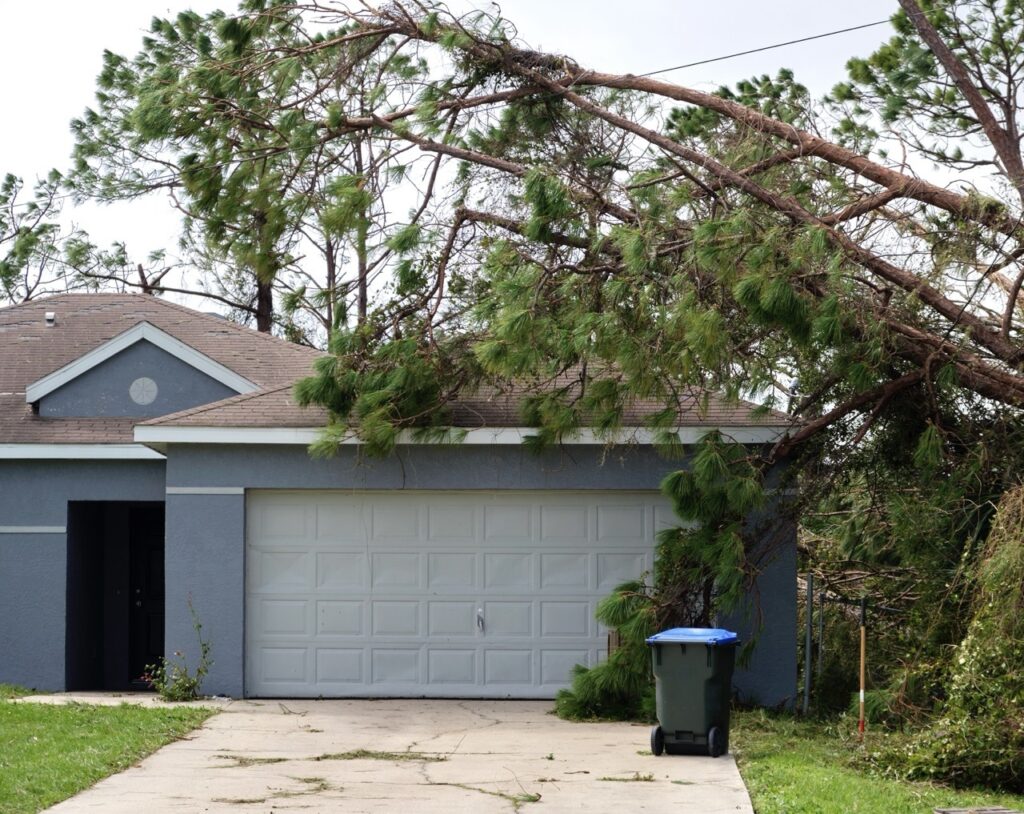
It has been a rough stretch of weather across the region. Late June storms rolled through the Fargo-Moorhead region with wind and hail that stripped shingles, chipped siding, and knocked over anything that was not bolted down. A week later, a suspected tornado tore through the area north of Detroit Lakes, taking roofs off buildings near Floyd Lake and leaving downed trees and power lines behind.
Here is the part most homeowners do not realize: the majority of storm damage never announces itself.
If a tree came down on your house, you know. But a lifted shingle, a cracked vent boot, a soffit panel pulled loose on the back side of the house — you can stand in your own driveway and see none of it. Your ceiling looks fine. Nothing is dripping. As far as you can tell, you got lucky.
Then eight months later there is a stain on the bedroom ceiling, or the furnace is running harder than it used to, or someone finds mold on the roof sheathing.
The attic is where you find out early. It is the one place in your house where you can actually see whether water got in, and it will show you long before your ceiling does.
How Storm Damage Reaches Your Attic
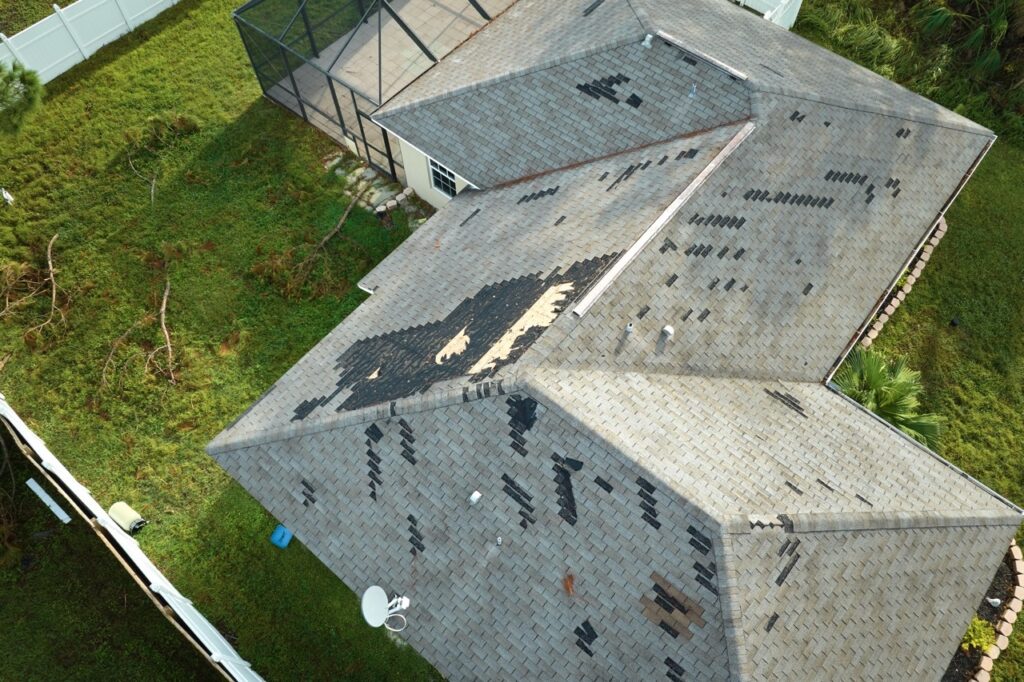
Your roof and your attic insulation are two halves of the same system. When the outer layer gets compromised, the inner layer takes the hit. Here is how it usually happens:
Lifted or missing shingles. Wind does not always rip shingles clean off. Often it lifts them just enough to break the seal, and wind-driven rain runs underneath and soaks into the decking. From there it works its way into the insulation below.
Torn ridge vents, roof vents, and turbines. These are some of the first things to go in high wind. A missing vent cap is an open hole straight into your attic, and every rain after the storm sends water directly into your insulation.
Damaged soffits and fascia. Wind pulls soffit panels loose regularly. Beyond letting rain and snow in, an open soffit is an invitation for birds, squirrels, and wasps to move in for the rest of the season.
Hail bruising. Hail can damage the mat of a shingle without leaving a hole you can see from the ground. Those bruises turn into leaks over the next year or two, long after the storm has been forgotten.
Tree strikes and debris punctures. A limb through the roof is obvious. A limb that scraped across the shingles and lifted a section on the way past is not.
Blown-in insulation displaced by wind. This one surprises people. If wind gets into your attic through a damaged vent or soffit, it can push loose-fill insulation around, piling it in one corner and leaving bare drywall in another. The insulation is still up there. It is just no longer where it needs to be.
What Water Damage Actually Does to Your Insulation
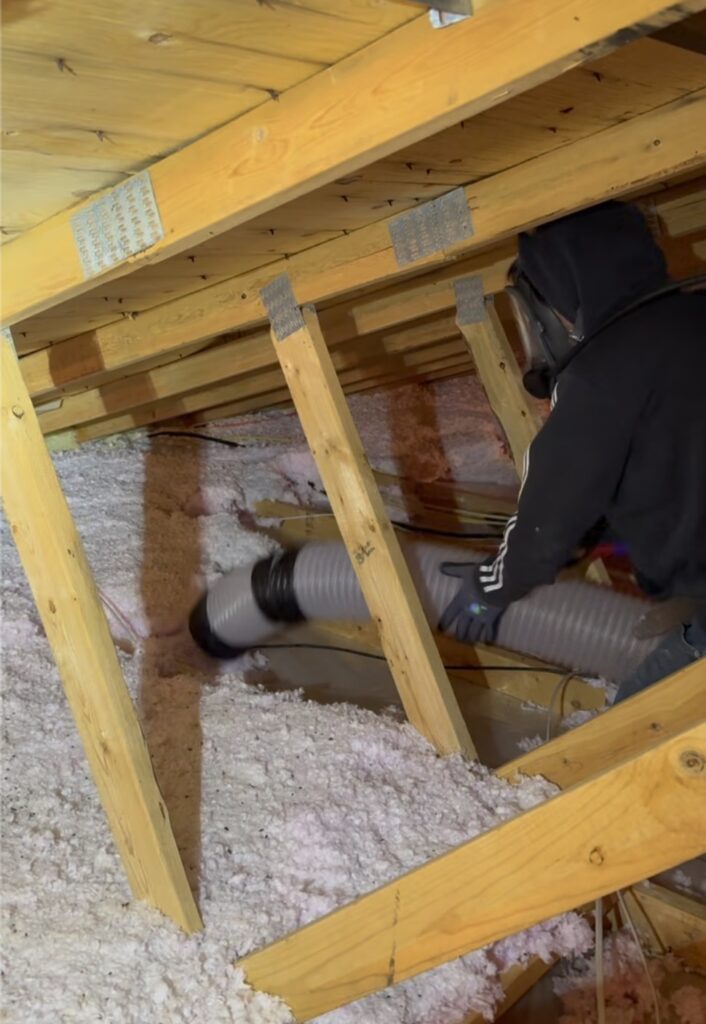
There is a common assumption that insulation dries out and goes back to normal. Sometimes it does. More often, it does not.
Both blown-in fiberglass and cellulose work the same basic way: they trap millions of tiny air pockets, and those air pockets are what slow heat transfer. The material itself is not the insulator. The air inside it is.
When that material gets saturated, it compresses. The loft collapses under the weight of the water, and even after it dries, it does not spring back to its original thickness. You are left with a flatter, denser layer that gives you noticeably less R-value than what you paid for.
Cellulose has a harder time of it than fiberglass. It is made from paper fiber, it absorbs a lot of water, and it stays soggy for a long time. While it sits there wet, it transfers that moisture into the wood it is touching, which is how you end up with mold on trusses and roof sheathing. Fiberglass does not absorb water the same way, but it holds it against the ceiling and traps the dust that mold feeds on.
The general rule the restoration industry works from: insulation that has been wet for more than a couple of days should be replaced rather than dried in place. In an attic with poor ventilation and no daylight, things stay wet far longer than most people expect.
Warning Signs to Look For After the Storm
You do not need to crawl through your attic to catch most of these. Watch for:
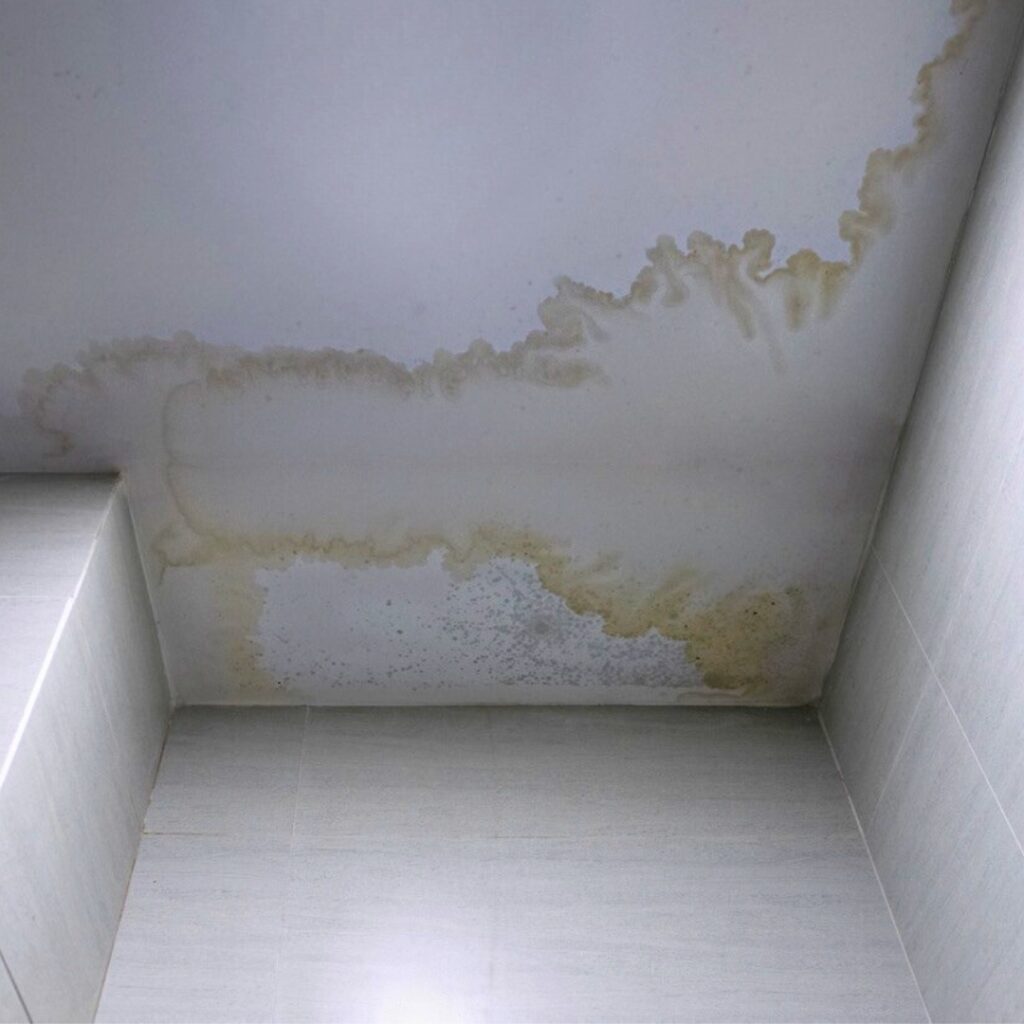
- Water stains on ceilings or along the top of interior walls, even faint ones
- A musty smell that shows up when the furnace or AC kicks on
- Rooms that suddenly feel drafty or harder to keep at temperature
- A jump in your energy bill compared to the same month last year
- Visible daylight through the roof when you look up from the attic hatch
- Insulation that looks matted, dark, or piled unevenly
- Sagging or discolored spots on ceiling drywall
- Sounds of animals overhead, which usually means something opened up outside
Any one of these is worth a look. Two or more, and you should have someone up there.
And if you are looking at that list thinking none of it applies to you — that is normal, and it does not mean you are in the clear. Most of these signs take months to appear. The attic tells you now.
Do Not Wait Until Your Insurance Claim Is Closed
This is the piece most homeowners miss, and it costs them.
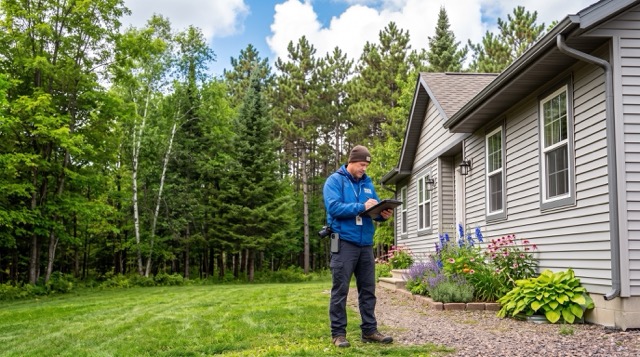
When a storm claim gets written, the scope usually covers what the adjuster can see: shingles, gutters, siding, maybe a vent. Attic insulation damage sits out of sight, and unless someone inspects it and documents it, it often does not make it into the claim at all.
And if you have not filed a claim because you did not think you had damage, that is worth a second thought. Policies have time limits on when a storm loss can be reported. Finding out in November that water has been getting in since June is a much harder conversation with an adjuster than finding out in July.
A few things worth doing:
- Photograph everything before repairs start, including inside the attic if you can safely get up there.
- Ask your adjuster directly whether attic insulation is included in the scope of the loss.
- Get the attic inspected before the claim is finalized. Supplements are much easier to file while a claim is open than to reopen after it has been settled.
- Keep documentation of what was found and when.
We are not an insurance company and we cannot tell you what your policy covers. What we can do is get into your attic, document what we find with photos, and give you a clear written assessment you can hand to your adjuster.
Start With the Attic
You do not need to know what is wrong before you call us. That is the whole point of the inspection.
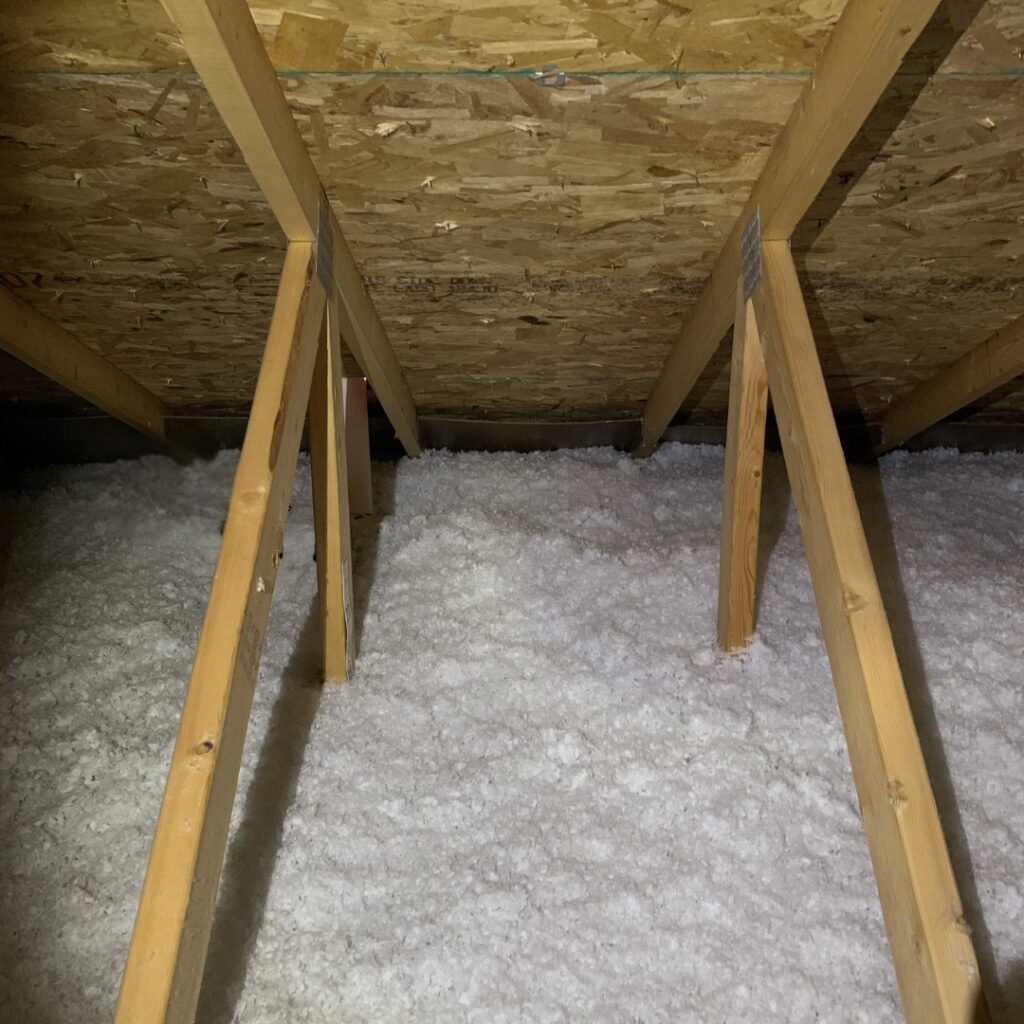
We get into the attic and look at it from the inside, which is where the evidence actually is. Daylight coming through the decking. Water tracks running down a rafter. Dark staining on the sheathing. Insulation matted flat in one spot and piled up in another. A wet patch under a vent. From up there, damage that is invisible from the ground and invisible from your living room is usually obvious in about ten minutes.
Insulation is what we do, and the attic is where we spend our days. So if we find water getting in, you are not going to get a shrug and a phone number. We will show you exactly where it is coming in, photograph it, and walk you through what needs to happen and in what order so nothing gets missed. Plenty of homeowners have found out about damage to their home from us, sitting at the kitchen table looking at photos from their own attic.
Here is how the visit goes:
Free inspection. We come out, get into the attic, and look at what is actually going on. No charge, no pressure, and no obligation to have work done.
Honest assessment. If everything up there is dry and performing, we will tell you that and you can stop worrying about it. If there is a problem, we will show you photos of what we found and explain what it means.
A plan in the right order. If the building needs to be sealed up before new insulation goes in, we will tell you that up front and lay out the sequence, then schedule around it. You will not be left guessing what happens next.
Full removal when it is needed. Wet, matted, or contaminated insulation gets vacuumed out and hauled away, with the space cleaned and prepped before anything new goes in.
Address the underlying issue. Storm or not, a lot of attics have ventilation and air-sealing problems that were there long before the weather hit. This is the right moment to fix them, while the attic is open and empty.
Reinsulate to perform. New insulation installed to the depth your home actually needs for a northern climate, not the bare minimum that was up there from 1994.
You do not pay until the work is done. That has been how we operate since 2012.
Frequently Asked Question
Does wet attic insulation always need to be replaced? Not always. Insulation that got lightly damp and dried quickly can sometimes be left in place. Insulation that was saturated, has been wet for more than a couple of days, is matted down, or smells musty should come out. An inspection is the only way to know which situation you are in.
How soon after a storm should I have my attic checked? Sooner is better. Mold can establish in a damp attic within a few days, and catching it early is the difference between an insulation replacement and a full remediation project. It is also easier to include in an open insurance claim.
Can I just add new insulation on top of the wet insulation? No. Covering wet material traps the moisture against your ceiling and gives mold a dark, undisturbed place to grow. The compromised material needs to come out first.
Will my homeowners insurance cover attic insulation damage? That depends on your policy and the cause of the damage. Sudden storm damage is treated differently than long-term wear. Ask your adjuster specifically about attic insulation, and get the space documented before the claim closes.
What if the damage turns out to be more than insulation? Our inspection often turns up the first hard evidence that water is getting in, because from inside the attic you can see daylight, water tracks, and staining that are invisible from the ground. If that is what we find, we will document it, explain what it means in plain language, and lay out what needs to happen and in what order. You will not be left to figure it out on your own.
I have not noticed anything wrong. Is an inspection still worth it? Yes, and that is the most common situation we see. Most storm damage does not show up inside the house for months or even years. An inspection after a bad storm is how you find out while it is still a small problem, and it costs you nothing but the time it takes us to get up there.
Get Your Home Looked At
If storms came through your area anywhere in the Fargo-Moorhead area, central North Dakota, or the Minnesota Lakes Area, we will come take a look at your attic at no cost. You do not need to have spotted a problem first. You do not need to be sure anything is wrong. That is what we are coming to find out.
You will get an honest read on what is up there, photos of anything we find, and a clear recommendation. If everything is dry and doing its job, we will tell you that and you can quit thinking about it.
Call (701) 373-4563 or request a free inspection.